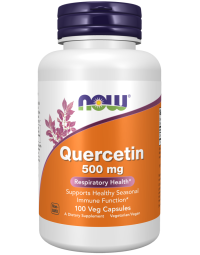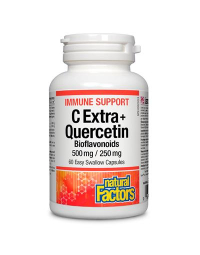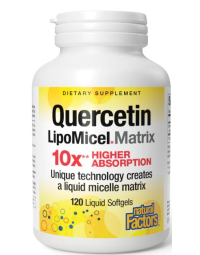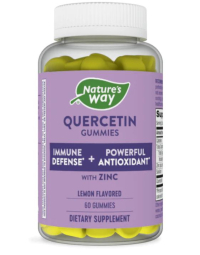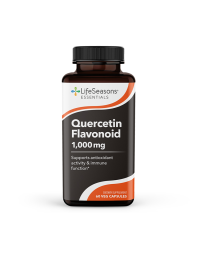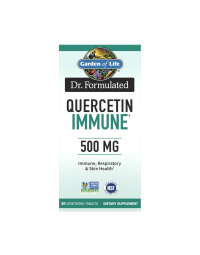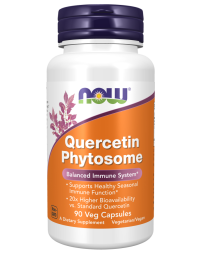



Quercetin is a naturally occurring plant flavonoid celebrated for its potential to ease seasonal allergy symptoms, fortify immune defenses, and support cardiovascular wellness. Present in many everyday fruits, vegetables, and botanicals, quercetin’s antioxidant and anti-inflammatory actions have made it a popular choice for people seeking steady, day-to-day resilience. This comprehensive guide explains what quercetin is, how it functions in the body, and how to use it safely and effectively—so you can make informed decisions about allergy relief, immune health, and heart support.
What is Quercetin?
Quercetin belongs to the flavonoid family, a group of polyphenolic compounds found widely in plants. In nature, flavonoids contribute to pigmentation, protection against environmental stressors, and cellular signaling in plant tissues. Quercetin’s chemical structure features multiple aromatic rings and hydroxyl groups, which equip it to neutralize free radicals and influence pathways linked to inflammation and oxidative stress.
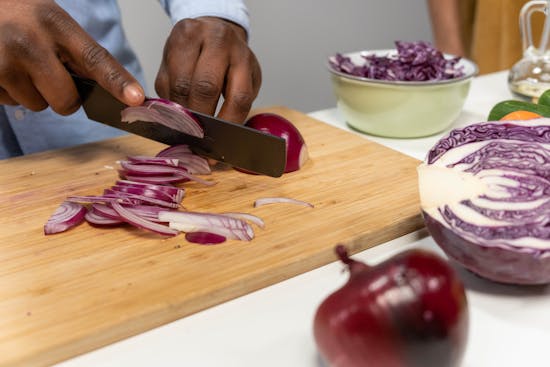
Dietary quercetin is abundant in onions (especially red and yellow varieties), apples (particularly with the skin intact), berries, grapes, cherries, and leafy greens. Capers, citrus fruits, and certain teas also contain meaningful amounts. Concentrations vary by plant variety, growing conditions, and preparation methods. For instance, lightly cooking onions can increase the accessibility of some flavonoids, though prolonged or high-heat cooking may reduce overall quercetin content. Generally, choosing a colorful assortment of produce each day naturally increases your intake of quercetin and related flavonoids.
How Quercetin Works in the Body
Quercetin influences immune and inflammatory responses through several mechanisms. It interacts with signaling pathways such as NF-κB, a central regulator of inflammation. By modulating these pathways, quercetin can help the immune system respond appropriately without excessive cytokine release. This balance is especially valuable when the body encounters allergens or environmental stressors, as it may help reduce symptom intensity while preserving normal defense functions.
Inflammation and histamine are closely linked to allergic discomfort. Quercetin’s ability to stabilize mast cell membranes helps limit histamine release and may ease symptoms like nasal swelling, runny nose, and itchiness. It also has an influence on enzymes involved in histamine synthesis and release and contributes to the balance of eicosanoids and prostaglandins—signaling molecules that mediate inflammation. Together, these actions can foster a more comfortable respiratory experience and may reduce occasional post-exercise soreness, offering support without reliance on harsher interventions. Many people refer to this as the natural antihistamine quercetin effect, which underlies interest in quercetin supplements for allergies during peak pollen counts.
Quercetin often works synergistically with various plant compounds. Vitamin C is a well-known partner; together they bolster antioxidant capacity and broaden immune defense. Another effective combination is quercetin and bromelain, a proteolytic enzyme derived from pineapple, can support sinus comfort and may help with absorption.
Quercetin, Exercise, and Recovery
Periods of intense training can increase oxidative stress and transient inflammation, contributing to soreness and slower recovery. Quercetin’s antioxidant properties help neutralize exercise-induced free radicals, while its anti-inflammatory actions may support comfort after strenuous activity. People who train regularly often use quercetin alongside foundational nutrition, hydration, sleep, and active recovery practices to maintain performance and resilience. While not a performance enhancer in the strict sense, quercetin’s support for oxidative balance and immune function can help you feel steadier across training cycles.
For active individuals, pairing quercetin with vitamin C may bolster post-exercise antioxidant capacity, and bromelain can support tissue comfort. Magnesium and potassium are useful allies for vascular function and electrolyte balance. As always, individual needs vary; if you have underlying health conditions or use medications, consult a professional before making significant changes to your supplement regimen.

Quercetin's Role in Vascular and Endothelial Health
Healthy endothelial function is central to blood vessel flexibility and efficient circulation. Quercetin supports endothelial health in part by encouraging nitric oxide availability, which assists normal vasodilation. Its antioxidant activity helps buffer the vascular lining against oxidative stress, contributing to a more favorable environment for blood flow and pressure regulation.
When considering cardiovascular wellness, think of quercetin as a supportive adjunct to mainstream strategies. It does not “clean” arteries or remove existing plaque but can help protect tissues, support vascular responsiveness, and contribute to overall resilience.
In summary, quercetin’s biological effects include:
• Modulating inflammatory signaling pathways (e.g., NF-κB) to support balanced immune responses.
• Stabilizing mast cells to reduce histamine release and ease seasonal allergy symptoms—closely tied to natural antihistamine quercetin properties.
• Supporting endothelial function and nitric oxide pathways for healthy blood flow.
• Enhancing antioxidant defenses, especially when paired with synergistic nutrients like vitamin C.
• Contributing to comfort during seasonal exposures and periods of physical stress; many consider quercetin supplements for allergies to complement lifestyle changes.
Conclusion: The Importance of Quercetin for Health
Quercetin sits at the intersection of allergy relief, immune health, and cardiovascular support, making it a versatile addition to a wellness routine grounded in whole foods and smart supplementation. By stabilizing mast cells, modulating inflammatory signaling, and protecting vascular tissues from oxidative stress, quercetin can help you feel more comfortable through seasonal shifts while supporting heart function and everyday vitality. Its antioxidant activity complements foundational habits like balanced nutrition, regular movement, stress management, and restorative sleep.
To integrate quercetin effectively, start with your plate: build meals around quercetin-rich foods such as onions, apples, berries, capers, leafy greens, and tea. When dietary intake isn’t enough—especially during pollen-heavy months or periods of high demand—consider whether a quercetin dietary supplement aligns with your goals. Many people explore quercetin supplements for allergies when symptoms rise, leveraging natural antihistamine quercetin properties for non-drowsy comfort.
Consistency is key. With regular, thoughtful use and a balanced lifestyle, many people experience fewer seasonal discomforts, steadier energy, and improved cardiovascular wellness markers. While quercetin isn’t a cure-all, it is an evidence-informed tool that fits neatly into a holistic approach to health. With the right choices and support, quercetin can help you stay resilient and feel your best throughout the year.