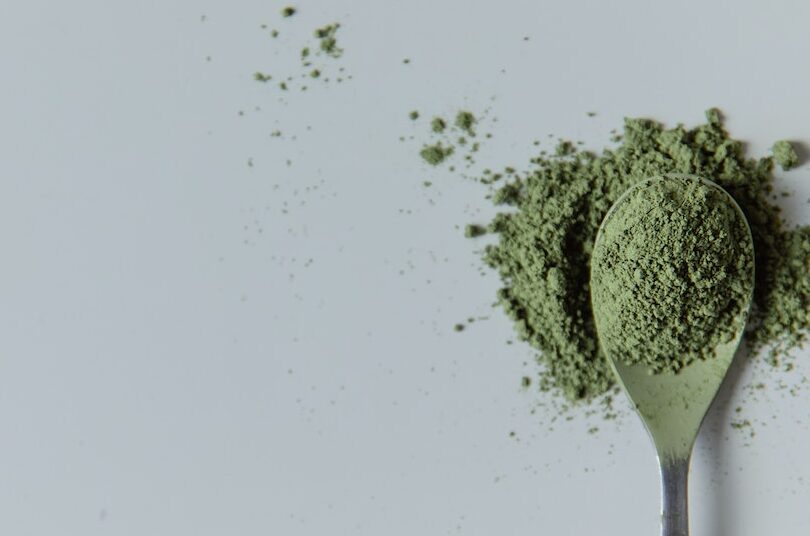



Spirulina is a nutrient-rich blue-green algae prized for its concentrated vitamins, minerals, antioxidants, and protein. Available as a powder or tablet, it supports energy, immune function, and heart health while offering plant-based protein and essential micronutrients.
Nutritional Profile of Spirulina
Spirulina delivers a wide spectrum of nutrients in a small serving. It provides B vitamins (notably B1, B2, and B3), iron, copper, magnesium, potassium, and small amounts of calcium. It naturally contains beta-carotene, vitamin K, and trace minerals that contribute to everyday wellness.
Protein is a standout feature. By weight, spirulina is roughly 55–70% protein and includes all essential amino acids. Compared with other plant foods, spirulina offers more protein per gram and has an amino acid profile that can complement other protein sources. It is not intended to replace daily protein needs on its own, but it is an efficient way to add high-quality, easily digestible protein to smoothies or meals.
Spirulina also provides essential fatty acids, including gamma-linolenic acid (GLA), which supports a healthy inflammatory balance. While its total fat content is modest, the presence of polyunsaturated fats adds to its overall wellness profile.
Free Radical Scavenging Properties
Antioxidants help protect cells from free radicals—unstable molecules that can damage tissues and contribute to aging and disease. A robust antioxidant intake supports cellular integrity and aids recovery from everyday stressors such as intense activity and environmental exposures.
Spirulina is rich in antioxidant compounds, especially phycocyanin, which gives it a deep blue-green color. Phycocyanin helps neutralize free radicals and supports the body’s own antioxidant enzymes. This activity reduces oxidative stress, which can be elevated by poor diet, pollution, heavy exercise, or chronic health conditions.
Its potential to modulate inflammatory pathways is another benefit. Early research suggests spirulina may help support a balanced inflammatory response.
Benefits for Heart Health
Spirulina may support a healthier lipid profile. Clinical studies have reported modest reductions in total cholesterol and LDL (bad) cholesterol, along with potential improvements in HDL (good) cholesterol when spirulina is taken consistently.
Some research also suggests spirulina may assist with healthy blood pressure regulation, potentially through improved endothelial function and antioxidant support. Combined with lifestyle strategies like a balanced diet, regular activity, and stress management, spirulina can support overall cardiovascular wellness.
By helping balance cholesterol, easing oxidative stress, and promoting vascular health, spirulina can support several heart disease risk factors. If you have heart-related conditions or take prescription medications, consult your healthcare provider before adding spirulina.
Immune Support
Spirulina’s unique mix of nutrients supports immune resilience. Its antioxidants protect immune cells from oxidative damage, while its protein and essential amino acids provide building blocks for immune signaling molecules.
Preliminary studies indicate spirulina may enhance aspects of the immune response, including natural killer cell activity and antibody production. More research is needed, but the findings suggest spirulina can help prime the body’s defenses against everyday challenges.
Nutrients such as iron, vitamin K, and beta-carotene further contribute to immune health. Iron supports oxygen transport and energy for immune cells; beta-carotene is a precursor to vitamin A, which helps maintain mucosal barriers; and phycocyanin adds antioxidant protection.
Differences in Spirulina
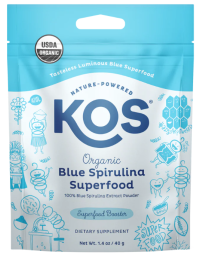
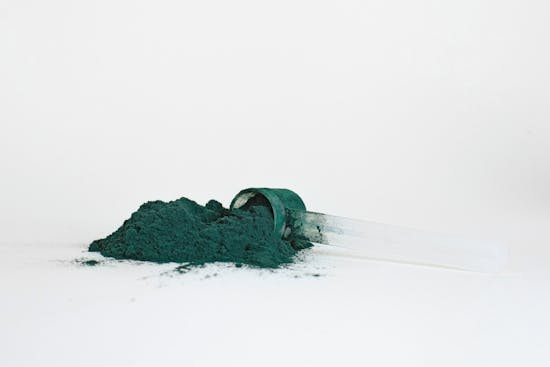
Spirulina vs. blue spirulina: Traditional spirulina is the whole algae powder, dark green and packed with protein, vitamins, and minerals. “Blue spirulina” typically refers to phycocyanin extract, the vivid blue antioxidant pigment isolated from spirulina. Blue spirulina is valued for its color and targeted antioxidant activity but lacks the full nutritional profile and protein found in whole spirulina. For broad nutrition, choose regular spirulina. For a bright blue smoothie and focused antioxidant support, blue spirulina can be a fun addition! KOS Organic Blue Spirulina Powder is a taste-less powder that is a great way to replace artificial dye with a functional ingredient.
How to Use Spirulina
Introduce spirulina gradually and monitor for digestive sensitivity.
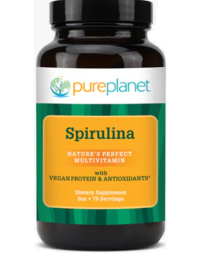
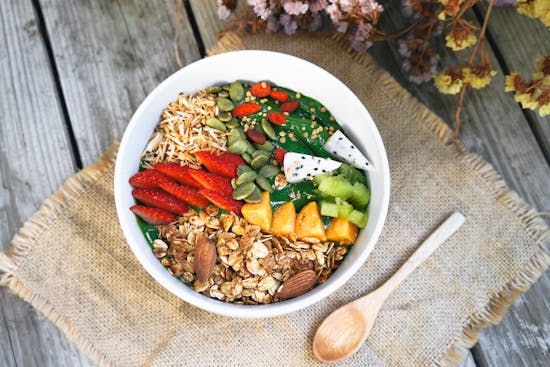
• Start with ½ –1 teaspoon of spirulina powder in smoothies, juices, or yogurt; increase as tolerated to 1–2 teaspoons. Pure Planet Spirulina Powder is a convenient way to incorporate spirulina into a yogurt bowl, baked goods, or a fun beverage!
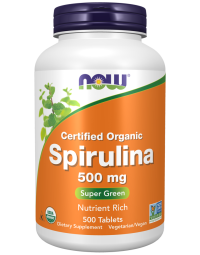
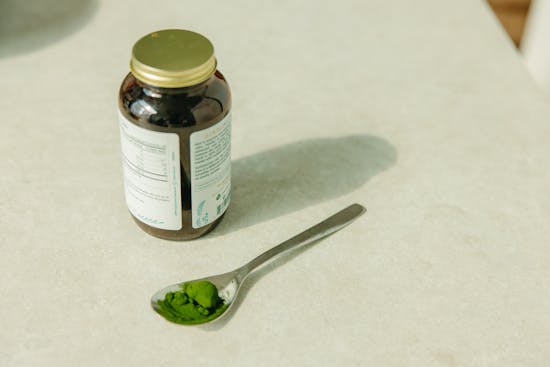
• Tablets or capsules offer a taste-free option; follow the product’s serving instructions. NOW Foods Organic Spirulina Tablets are a great way to include this super food into your diet.
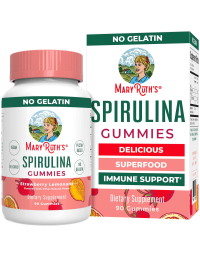
• To balance spirulina’s earthy, marine-like flavor, pair it with citrus, pineapple, banana, or mint. Mary Ruth’s Spirulina Gummies comes in a delicious strawberry lemonade flavor, with each gummy providing 100 mg of spirulina.
As with any supplement, spirulina is best paired with attention to quality and personal health considerations.